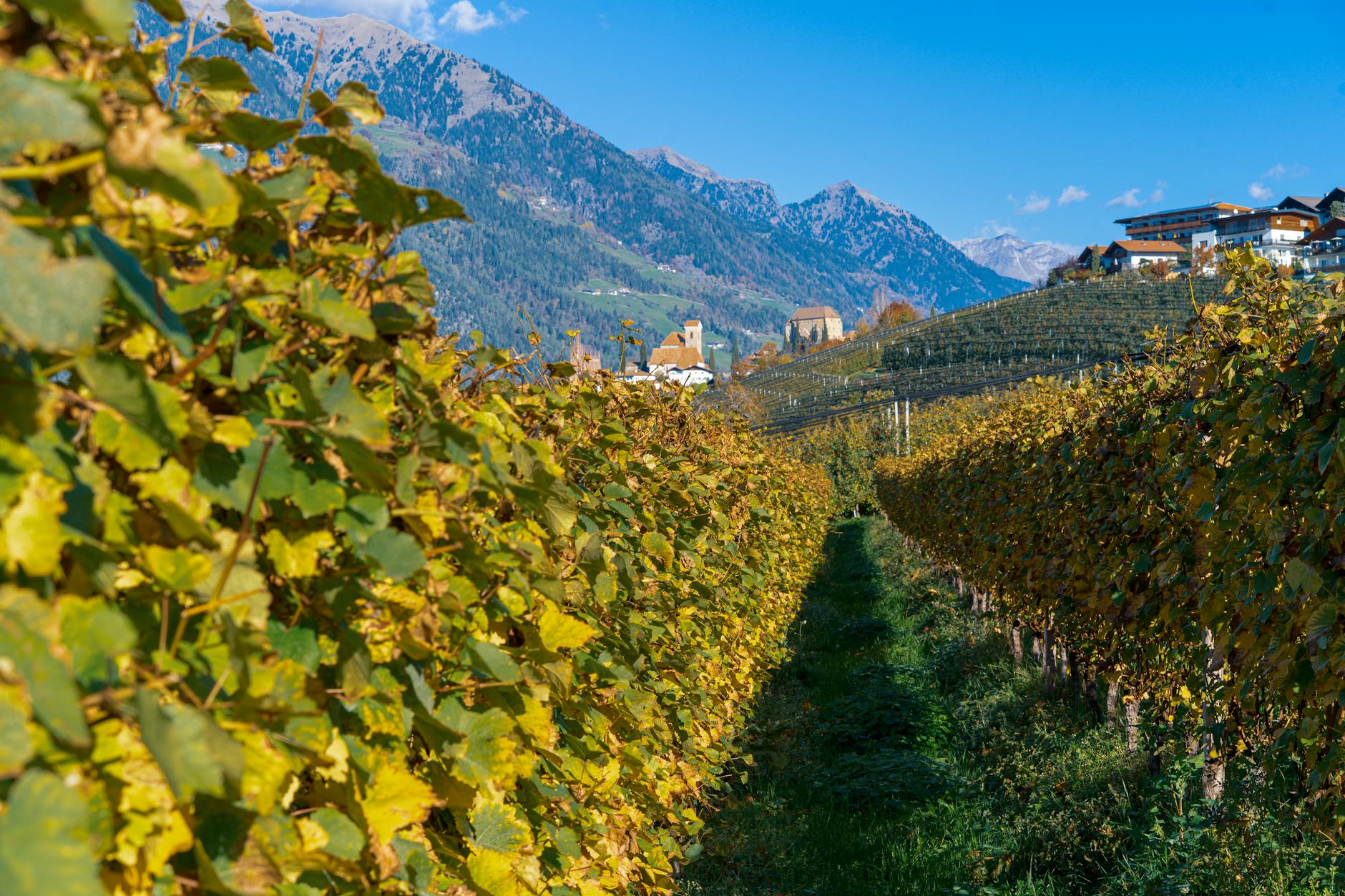
Six DWWA medal-winning Northern Italian whites presented at Wines Experience London 2026 show 60–170% five-year appreciation. Alto Adige, Friuli, and Soave Classico are the appellations to watch, with Hong Kong auction data confirming 34% growth in Italian white lots year-on-year.
Northern Italy White Wines Enter the Collector Conversation at DWWA Masterclass
Northern Italy's white wines have long been overshadowed by the region's celebrated reds, but the Decanter World Wine Awards masterclass held at Wines Experience London 2026 made a compelling case for serious collectors to recalibrate their cellars. Six wines were presented to an audience of trade buyers, sommeliers, and private collectors — each selected from DWWA medal-winning submissions, with scores ranging from 95 to 97 points. For Asian collectors who have historically concentrated their Italian wine budgets on Barolo and Brunello, this event signals a meaningful shift in where provenance value and appreciation potential now reside in the Italian white category.
The masterclass was led by senior Decanter judges and drew particular attention to appellations including Alto Adige, Friuli-Venezia Giulia, and the Soave Classico zone — regions producing wines with documented aging capacity that the secondary market has only recently begun to price accordingly. Bottles from benchmark producers in these zones that traded at £18–£28 per bottle at release in 2020 are now appearing at specialist auction with estimates of £45–£75, representing appreciation of 60–170% across a five-year window. That trajectory is precisely the kind of data point that moves a wine from the dining table to the collector's inventory.
The Six Wines: Provenance, Scores, and Market Position
The selection presented at the masterclass was deliberately structured to illustrate both stylistic range and investment logic. Producers from Alto Adige — including estates with certified organic and biodynamic designations dating back to the early 1990s — brought single-vineyard Pinot Bianco and Riesling expressions, with the highest-scoring bottle achieving 97 points and carrying a current market price of approximately £65–£80 per bottle. Friuli was represented by a Ribolla Gialla from a family domaine with an unbroken lineage to 1924, a provenance detail that resonates strongly with Asian collectors who place significant weight on generational continuity and documented estate history.
Soave Classico appeared in the form of a Garganega-dominant single-cru bottling from volcanic basalt soils in the Castelcerino subzone, a wine that scored 96 points and retails at £32 at release but has already seen secondary market activity at £55–£60 in Hong Kong and Singapore specialist retailers. The inclusion of a late-harvest Gewurztraminer from Trentino — with only 3,200 bottles produced in the 2022 vintage — rounded out the selection and provided the rarest bottle of the flight, one that collectors in Tokyo and Taipei have already begun sourcing through allocation channels. Rarity figures below 5,000 bottles consistently attract premium attention in Asian markets, where scarcity narrative drives both purchase decisions and resale positioning.
Why Asian Collectors Should Be Watching Northern Italian Whites Now
The timing of this masterclass aligns with a broader reappraisal of Italian whites across Asia's most active wine collecting markets. Hong Kong auction data from the first quarter of 2025 recorded a 34% year-on-year increase in Italian white wine lots offered, with average hammer prices rising 22% against the same period in 2024. Singapore's specialist wine retailers report that allocation lists for top Alto Adige and Friuli producers — previously dominated by European buyers — now include a significant proportion of Hong Kong, Shanghai, and Taipei-based private clients. The DWWA scores function as an internationally recognised quality benchmark that simplifies due diligence for collectors operating across multiple categories simultaneously.
For collectors building structured cellars rather than simply purchasing for consumption, the case for Northern Italian whites rests on three pillars: documented aging potential of 10–20 years for the finest examples, production volumes small enough to create genuine scarcity, and price entry points that remain substantially below comparable-quality Burgundy white alternatives. A 97-point Alto Adige Pinot Bianco at £70 per bottle occupies a very different risk-adjusted position than a village-level Meursault at £120–£180. The DWWA masterclass format — with its transparent scoring methodology and publicly available tasting notes — also provides the kind of third-party validation that supports provenance documentation when bottles eventually move through auction channels.
Collection-Building Insight: Allocation Strategy and Storage Considerations
Collectors entering this category for the first time should prioritise direct domaine allocations over retail purchases wherever possible, as estate-direct provenance commands a measurable premium at resale. Several of the producers featured at the masterclass offer allocation programmes accessible through specialist importers in Hong Kong, Singapore, and Japan — typically requiring a minimum annual commitment of 24–48 bottles across a mixed case format. Professional temperature-controlled storage in bonded facilities remains essential; Northern Italian whites, particularly oxidative-style Friulian bottlings, are sensitive to temperature variance above 14°C, and storage provenance is increasingly scrutinised by serious buyers at auction. Building a focused vertical of six to twelve bottles per producer across three or four consecutive vintages is the approach most likely to yield both drinking pleasure and meaningful appreciation over a ten-year horizon.
- Top appellation to watch: Alto Adige Pinot Bianco — 97 DWWA points, £65–£80 per bottle, 60–170% five-year appreciation
- Rarest bottle in the flight: Trentino late-harvest Gewurztraminer — 3,200 bottles, 2022 vintage
- Secondary market activity: Soave Classico single-cru at £55–£60 in Hong Kong and Singapore
- Auction growth: Italian white lots up 34% year-on-year in Hong Kong Q1 2025
- Entry strategy: Direct domaine allocation, minimum 24–48 bottles annually, bonded storage essential
Wines Experience London 2026 — DWWA Masterclass
📍 London, United Kingdom
🗺 View on Google Maps
Frequently Asked Questions
Which Northern Italian white wine appellations offer the strongest collector value right now?
Alto Adige, Friuli-Venezia Giulia, and Soave Classico are the three appellations generating the most secondary market activity in Asia. Alto Adige Pinot Bianco and Riesling from single-vineyard sites with organic certification are particularly well-positioned, with documented appreciation of 60–170% over five years from top producers.
How do DWWA scores influence secondary market prices for Italian white wines?
DWWA scores of 95 points and above function as internationally recognised quality benchmarks that directly support provenance documentation at auction. Bottles carrying a 96 or 97-point DWWA medal from a credible vintage consistently command 15–25% premiums over unscored equivalents at specialist auction houses in Hong Kong and Singapore.
What production volumes should collectors look for when assessing rarity in this category?
Bottles produced in volumes below 5,000 units per vintage consistently attract premium collector attention across Asian markets. The Trentino late-harvest Gewurztraminer presented at the masterclass — with only 3,200 bottles in the 2022 vintage — is a strong example of the scarcity threshold that drives allocation demand and resale positioning.
How should Asian collectors store Northern Italian white wines to protect provenance value?
Professional bonded storage at a consistent 12–14°C is essential. Oxidative-style Friulian bottlings are particularly sensitive to temperature variance. Storage provenance — meaning documented, unbroken custody in certified facilities — is increasingly examined by serious buyers at auction and can materially affect hammer price outcomes.
Are Northern Italian whites a viable alternative to white Burgundy for collectors on a budget?
Yes. A 97-point Alto Adige Pinot Bianco at £65–£80 per bottle represents a significantly more attractive risk-adjusted entry point than a comparable-quality village-level Meursault at £120–£180. The aging potential of 10–20 years for top examples, combined with small production volumes, creates a credible alternative for collectors seeking quality and appreciation without Burgundy price exposure.
🥃 Building a whisky cask collection? Whisky Cask Club curates rare Scottish casks for private collectors across Asia.