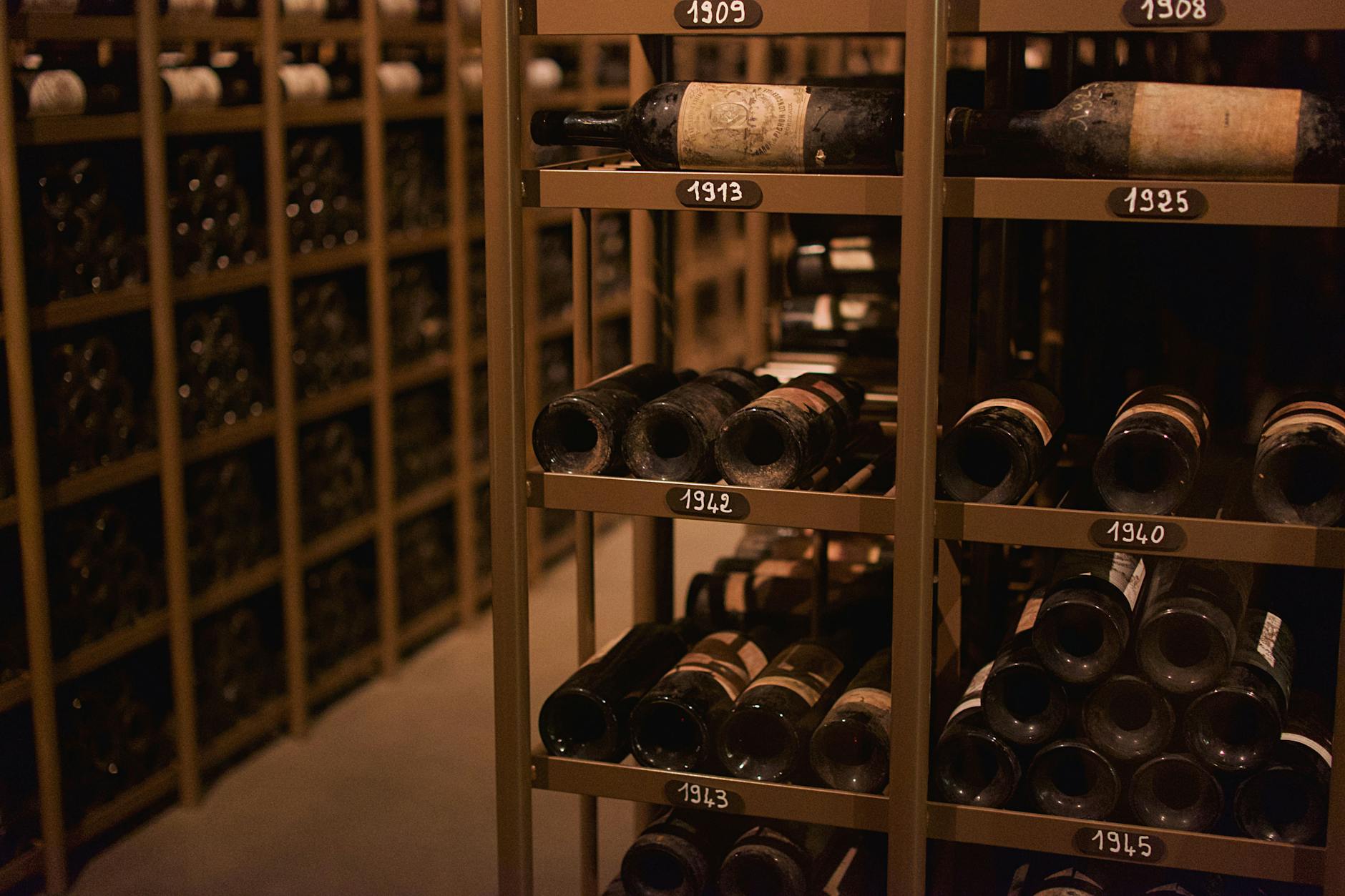
Emily, 26, bought a 2018 DRC Echezeaux Grand Cru for HK$4,200 with full cold-chain provenance. Already up 21% on paper, she is holding for a HK$6,000 exit. A sharp lesson in provenance-first collecting for Asian buyers.
TL;DR: A 26-year-old collector's first serious wine purchase — a 2018 Domaine de la Romanée-Conti Echezeaux Grand Cru at HK$4,200 — offers a sharp lesson in provenance-driven buying, cellar patience, and why Gen Z is quietly reshaping the Asian fine wine market.
Gen Z Wine Collectors Are Entering the Market With Serious Intent
Emily, 26, based in Hong Kong, is not your average weekend wine drinker. When she decided to make her first significant wine investment, she bypassed the approachable Burgundy entry points and went straight for a 2018 Domaine de la Romanée-Conti Echezeaux Grand Cru, purchased through a licensed Hong Kong merchant for HK$4,200 (approximately US$540) per bottle. That price point sits comfortably within the secondary market estimate range of HK$3,800 to HK$5,500 for the same vintage, meaning she bought intelligently — at the lower end of fair value, with meaningful upside already baked in. Her decision was not impulsive; it was the product of six months of research, auction catalogue study, and conversations with older collectors in her network.
What makes Emily's purchase particularly instructive for serious Asian collectors is the discipline behind it. She did not chase a Parker score or a viral tasting note. She focused on provenance: the bottle was sourced directly from a merchant with documented cold-chain custody from negociant to bonded warehouse in Hong Kong, with full import paperwork. For a wine at this price level, that documentation is not a formality — it is the difference between a collectible asset and an expensive gamble. Asian auction houses, including Sotheby's Hong Kong and Acker Asia, routinely reject consignments that cannot demonstrate unbroken cold-chain provenance, a standard that has tightened considerably since 2015.
What Makes the 2018 DRC Echezeaux Worth Tracking?
The 2018 vintage in Burgundy is widely regarded as one of the finest of the modern era, with the Côte de Nuits producing wines of exceptional concentration and structural elegance. The Domaine de la Romanée-Conti Echezeaux Grand Cru occupies a precise 4.67-hectare parcel within the broader 37-hectare Echezeaux appellation, and DRC's allocation from this site is among the most tightly controlled in all of Burgundy. Total annual production from DRC's Echezeaux holding rarely exceeds 2,800 bottles in a normal year; the 2018 release was further constrained by selective harvesting, pushing allocated quantities even lower across global markets.
At auction, the 2018 DRC Echezeaux has appreciated approximately 22% since its release price in 2020, with recent hammer prices at Sotheby's Hong Kong reaching HK$5,100 per bottle in Q1 2024. That trajectory is modest compared to DRC's flagship La Tâche or Romanée-Conti labels, but it reflects exactly the kind of steady, provenance-backed appreciation that serious collectors prefer over speculative spikes. Emily's entry at HK$4,200 means she is already sitting on a paper gain of roughly 21%, with the wine still years away from its drinking window — the 2018 vintage is broadly assessed as optimal for consumption between 2028 and 2045.
- Vintage: 2018 Domaine de la Romanée-Conti Echezeaux Grand Cru
- Purchase price: HK$4,200 per bottle (US$540)
- Secondary market estimate range: HK$3,800–HK$5,500
- Recent hammer price (Sotheby's HK, Q1 2024): HK$5,100
- Appreciation since release: approximately 22%
- Production rarity: under 2,800 bottles per year from DRC's holding
- Optimal drinking window: 2028–2045
Why Asian Collectors Are Paying Attention to Gen Z Buyers
The entry of younger collectors into the fine wine market in Asia is not a passing trend — it is a structural shift with measurable consequences for pricing and availability. Sotheby's Hong Kong reported in its 2023 annual review that buyers under 35 accounted for 31% of wine lot acquisitions by volume, up from 19% in 2019. This cohort is notably more research-driven than previous generations of wine buyers; they cross-reference merchant pricing against Liv-ex data, they consult provenance documentation before bidding, and they tend to hold rather than flip — behaviours that compress secondary market supply and support long-term price floors.
Emily's approach reflects this generational shift precisely. She did not open the bottle. She is storing it in a professional bonded facility in Kwun Tong at a cost of HK$180 per case per month, with temperature and humidity logging. She has already been approached by a private buyer offering HK$4,800, which she declined. Her target exit price, based on comparable auction results she tracks via Wine Lister and Liv-ex, is HK$6,000 or above — a threshold she believes is achievable within three to four years if the vintage continues to perform as expected at tastings. That level of analytical rigour from a 26-year-old first-time buyer signals a maturation of the Asian collector base that established players would be unwise to underestimate.
Building a Fine Wine Collection: What Emily's First Buy Teaches Us
For collectors at any stage, Emily's purchase offers a clean template: buy at or below the mid-point of the secondary market estimate range, insist on documented cold-chain provenance, and select vintages with a long drinking window that allows time for appreciation before consumption becomes the only option. Grand Cru Burgundy from recognised domaines remains among the most liquid segments of the collectible wine market in Asia, with active buyer pools at every major Hong Kong and Singapore auction house. The DRC label specifically carries the kind of name recognition that transcends language barriers and collector generations — a meaningful advantage when it comes time to sell.
For collectors looking to diversify beyond wine, the same provenance-first discipline applies equally to whisky casks, where documentation of distillery origin, cask number, fill date, and bond location is the foundation of any credible holding. The principles Emily applied to her Burgundy purchase — rarity, documented custody, long maturation horizon, and liquid secondary market — translate directly into the cask investment framework that serious Asian collectors are increasingly exploring alongside their wine and watch portfolios.
🥃 Building a whisky cask collection? Whisky Cask Club curates rare Scottish casks for private collectors across Asia.
Frequently Asked Questions
Is the 2018 DRC Echezeaux a good entry point for first-time fine wine collectors in Asia?
For collectors with a budget around HK$4,000–HK$5,500 per bottle, the 2018 DRC Echezeaux represents a credible entry into Grand Cru Burgundy. Its long drinking window (2028–2045), documented rarity (under 2,800 bottles per year from DRC's holding), and consistent secondary market activity at Hong Kong auction houses make it a more defensible first purchase than many higher-profile DRC labels that carry steeper premiums and thinner liquidity.
How important is cold-chain provenance when buying fine wine in Hong Kong?
Cold-chain provenance is essential. Sotheby's Hong Kong, Acker Asia, and Christie's all require documented temperature-controlled custody from producer or negociant to point of sale. Bottles without this documentation are routinely rejected from consignment or sold at significant discounts. Buyers should request full import and storage records from any merchant before committing at this price level.
What is the current secondary market trajectory for 2018 Burgundy Grand Crus?
The 2018 vintage continues to appreciate steadily across the Grand Cru tier. Liv-ex data through Q1 2024 shows the Burgundy 150 index up approximately 18% over a three-year period, with top-domaine labels outperforming the broader index. DRC wines across all appellations have seen consistent demand from Asian buyers, particularly in Hong Kong and Singapore, where bonded storage infrastructure supports long-term holding strategies.
How do Gen Z collectors in Asia differ from older buyer cohorts?
Younger collectors in Asia are more data-driven, more provenance-conscious, and more likely to hold assets for appreciation rather than immediate consumption. Sotheby's Hong Kong data shows buyers under 35 represented 31% of wine lot acquisitions by volume in 2023, up from 19% in 2019. They cross-reference pricing across Liv-ex, Wine Lister, and merchant platforms before purchasing, and they engage more actively with bonded storage solutions to protect asset integrity.
Can fine wine and whisky casks be held in the same portfolio strategy?
Yes, and increasingly serious Asian collectors do exactly this. Both asset classes reward provenance discipline, long holding horizons, and selective buying at or below secondary market fair value. Whisky casks offer the additional advantage of volume appreciation over time as the spirit matures, while fine wine benefits from a more established and liquid auction market in Asia. Diversifying across both categories is a strategy favoured by collectors managing portfolios in the HK$500,000 and above range.