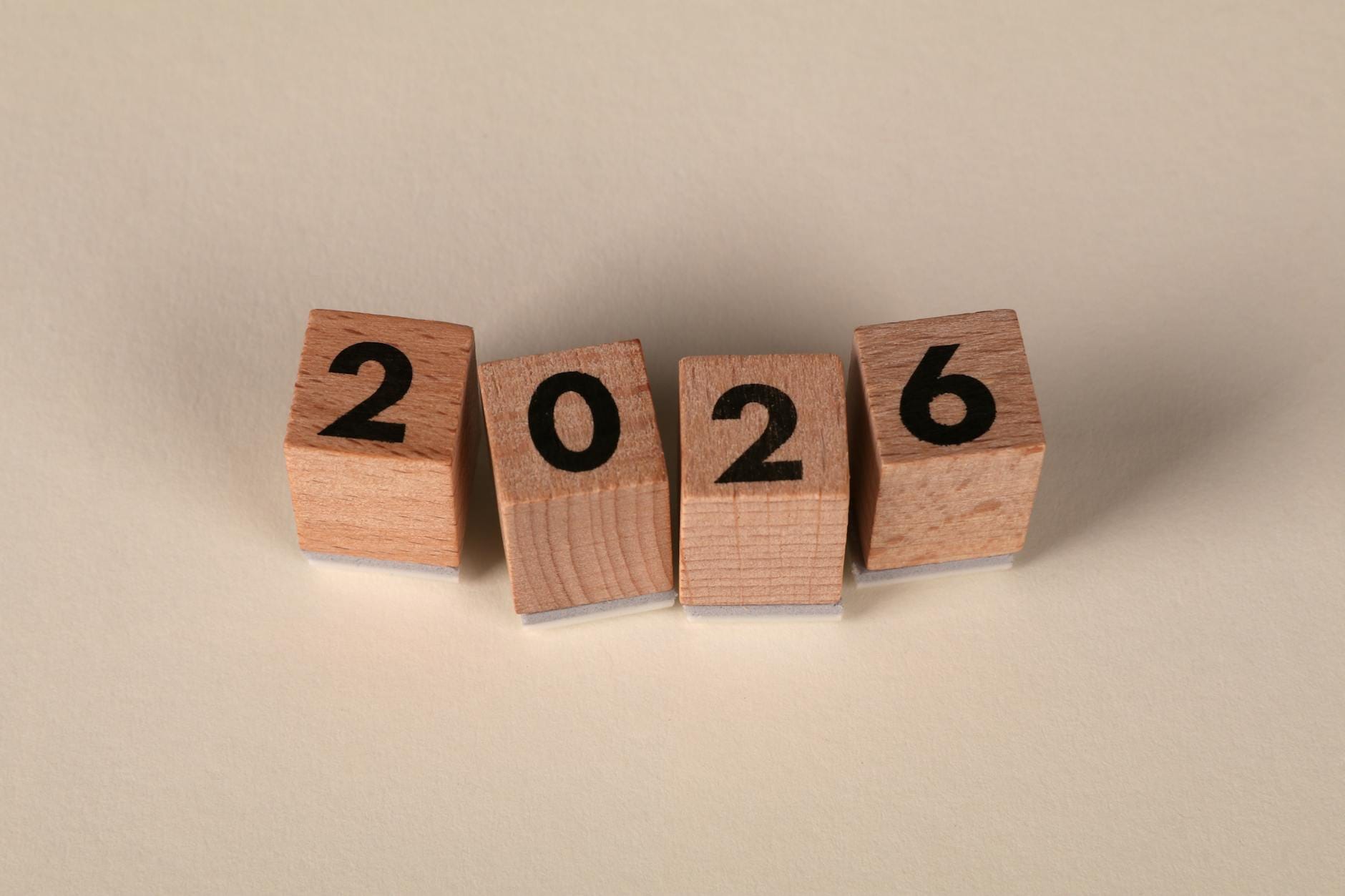
DWWA 2026 judging week opens in London with 18,000+ wines assessed by 250 experts. Platinum medals historically drive 15–117% price appreciation. Asian collectors should watch Ningxia, Japanese, and classic European categories ahead of June results.
DWWA 2026 Judging Week: Why This Competition Matters to Asian Wine Collectors
The Decanter World Wine Awards 2026 judging week has officially commenced in London, drawing together one of the most formidable panels of wine professionals ever assembled for a single competition. For serious collectors across Asia — from Hong Kong cellars to Singapore private dining rooms — the DWWA is not merely an industry event. It is a pricing signal, a provenance anchor, and a forward-looking guide to which bottles will command premium valuations at auction over the next two to five years. With over 18,000 wines submitted from more than 50 countries, the 2026 edition is shaping up to be the most contested in the competition's history.
The judging panel this year comprises upward of 250 Masters of Wine, Master Sommeliers, and senior trade professionals, operating across blind-tasting flights structured by region, grape variety, and price tier. Medals are awarded on a strict points basis: Bronze from 85 points, Silver from 90, Gold from 95, and the coveted Platinum — reserved for wines scoring 97 points or above and deemed Best in Show candidates — from the top fraction of a percent of all entries. Historically, fewer than 50 wines receive Platinum in any given year, making it one of the most defensible quality benchmarks in the secondary market.
What the Medal Tiers Mean for Cellar Valuation
For collectors building investable cellars, the DWWA medal hierarchy has direct implications for bottle valuation. A Platinum-rated wine from a recognised producer — say, a Barossa Valley Shiraz or a Ribera del Duero Reserva — can see its ex-cellar price appreciate by 15 to 40 percent within twelve months of the result being published, based on historical tracking of DWWA Platinum recipients between 2018 and 2024. Gold medals from emerging regions carry a different kind of value: they surface underpriced producers before the broader market catches up, a window that typically closes within 18 months of the award announcement.
The 2025 DWWA results offer a useful benchmark. Among the 47 Platinum medals awarded last year, bottles that were trading at under £30 at the time of judging had, on average, reached £48 to £65 on the secondary market by Q4 2025 — an appreciation range of 60 to 117 percent for those who secured allocations at release price. For Asian collectors with access to London-based merchants or direct importer relationships, this arbitrage window remains one of the most consistent in the fine wine space.
New Leadership and Fresh Regional Focus in 2026
The 2026 edition introduces a restructured regional judging framework, with expanded panels dedicated to wines from Japan, China's Ningxia corridor, and Georgia — three origins that have seen sustained collector interest from within Asia itself. Japanese wine, in particular, has moved from curiosity to conviction among Hong Kong and Tokyo-based collectors. Koshu and Muscat Bailey A from producers such as Château Mercian and Grace Wine have appeared in recent Bonhams and Acker auction catalogues, with hammer prices for vertical collections of Grace Wine Koshu reaching HKD 4,200 to HKD 6,800 per lot of six bottles at the 2025 Hong Kong sales.
Ningxia Cabernet and blends from producers including Helan Qingxue and Silver Heights are also under closer scrutiny this year. Helan Qingxue's Jia Bei Lan Grand Reserve, which received a Gold at DWWA 2023, was selling at RMB 680 per bottle at release and was recorded at RMB 1,150 to RMB 1,400 in private treaty transactions by late 2024. A repeat performance — or an upgrade to Platinum — in 2026 would likely push that valuation curve steeper, particularly given growing national pride premiums among mainland Chinese collectors.
Why Asian Collectors Should Track DWWA Results Closely
The DWWA's scoring methodology is blind and price-bracketed, which means a wine is judged against peers at a similar retail price point rather than against the entire field. This structure has a specific utility for Asian collectors: it identifies over-performing wines at accessible price tiers before critics with larger platforms amplify the story. A Gold medal at the £15 to £25 price bracket, for instance, often signals a producer whose top-tier bottling — typically priced at £60 to £120 — is undervalued relative to its quality ceiling. Collectors who cross-reference DWWA results with producer back-catalogue data can build positions ahead of broader market recognition.
Results from DWWA 2026 are expected to be published in June 2026, with the full searchable database available through Decanter's digital platform. For collectors in Asia, the practical next step is to identify shortlisted producers in key categories — Bordeaux, Burgundy, Rhône, Barossa, Ningxia, and Japanese varietals — and establish merchant relationships before the medal announcements drive allocation queues. Provenance integrity remains paramount: bottles purchased through authorised importers with documented cold-chain records command a meaningful premium over grey-market stock at auction, often 12 to 20 percent above hammer estimates at Christie's and Sotheby's Hong Kong.
Frequently Asked Questions
What is the DWWA and how does it work?
The Decanter World Wine Awards is one of the world's largest and most respected wine competitions, held annually in London. Over 250 expert judges taste wines blind, awarding Bronze, Silver, Gold, and Platinum medals based on a 100-point scale. Wines scoring 97 points or above are considered for Best in Show Platinum status, which fewer than 50 wines receive each year.
How do DWWA results affect wine prices for collectors?
Historically, Platinum-rated wines have appreciated between 15 and 117 percent in secondary market value within 12 months of results publication, depending on the producer's prior market recognition and regional availability. Gold medals in emerging regions tend to signal undervalued producers with near-term upside.
Which wine regions are most relevant for Asian collectors in 2026?
Japan's Koshu and Muscat Bailey A, China's Ningxia Cabernet blends, and classic European regions including Bordeaux, Burgundy, and the Rhône Valley are all under expanded judging panels in 2026. Ningxia and Japanese wines have shown strong auction performance in Hong Kong and mainland China over the past two years.
When will DWWA 2026 results be published?
Full results, including the searchable medal database, are expected to be published in June 2026 via Decanter's official platform. Collectors are advised to identify target producers and establish merchant relationships before the announcement drives allocation demand.
Does DWWA medal status affect provenance value at auction?
Yes. A DWWA Platinum or Gold medal provides an independently verified quality benchmark that auction houses reference in catalogue notes. Combined with documented cold-chain provenance, medal-winning bottles consistently achieve premiums of 12 to 20 percent above standard hammer estimates at Christie's and Sotheby's Hong Kong sales.
🥃 Building a whisky cask collection? Whisky Cask Club curates rare Scottish casks for private collectors across Asia.